Is Your Colorado Springs Home Ready for Winter? 7 Things Homeowners Often Forget
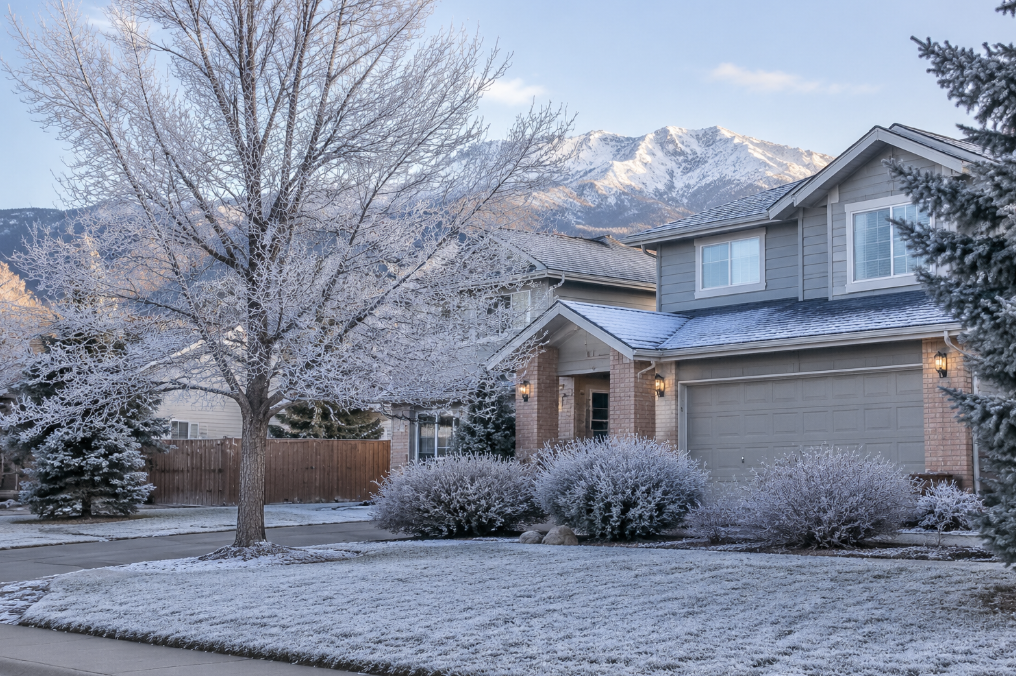
Colorado Springs has a funny way of keeping homeowners on their toes. One afternoon, you're enjoying sunshine and temperatures warm enough to skip a jacket. The next morning, you're scraping ice off your windshield and wondering whether you remembered to disconnect the garden hose.
That's Colorado living!
While most homeowners remember the obvious winter preparations, like turning up the heat and putting away patio furniture, it's often the smaller, overlooked maintenance tasks that lead to the biggest headaches.
A frozen outdoor faucet, clogged gutter, or neglected furnace filter might not seem like a big deal today. But once freezing temperatures arrive, those little issues can quickly become expensive repairs.
Whether you live in Colorado Springs, Monument, Falcon, Peyton, Black Forest, Fountain, or Pueblo West, preparing your home for winter is one of the smartest ways to protect your investment.
Here are seven things homeowners often forget when getting ready for Colorado's colder months.
1. Disconnecting Garden Hoses Isn't Always Enough
Most Colorado homeowners know they should disconnect their garden hoses before freezing temperatures arrive.
But here's something many people don't realize: removing the hose doesn't necessarily mean your outdoor faucet is protected.
Water can remain inside the faucet or connected plumbing, and when temperatures drop, that trapped water can freeze and expand.
In some cases, the resulting damage isn't obvious until temperatures warm up and water starts leaking.
What You Should Do
-
Disconnect and drain all outdoor hoses.
-
Shut off interior water valves supplying exterior faucets, if your home has them.
-
Drain the outdoor faucet after shutting off its water supply.
-
Check whether your exterior faucets are frost-resistant.
-
Use insulated faucet covers when appropriate.
If you're unsure how your outdoor plumbing is configured, ask a licensed plumber.
Local tip: Homes in Monument, Black Forest, and other exposed or higher-elevation areas may experience different winter conditions than neighborhoods closer to central Colorado Springs. Don't assume a sunny afternoon means your outdoor plumbing is safe from freezing.
For more seasonal preparation ideas, check out our Early Autumn Home Prep: Quick Hacks for Colorado Homeowners.
2. Forgetting About the Sprinkler System After the First Freeze
Your lawn might be the last thing on your mind once November arrives, but your irrigation system still deserves attention.
Sprinkler lines, valves, and backflow prevention assemblies can contain water that freezes during cold weather.
And unfortunately, discovering a damaged sprinkler system in the spring isn't a pleasant surprise.
What You Should Do
Ideally, your sprinkler system should be professionally winterized before the first hard freeze.
If you haven't taken care of it yet:
-
Confirm whether your irrigation system has been winterized.
-
Shut off the irrigation water supply according to your system's instructions.
-
Have remaining water removed using the appropriate professional equipment.
-
Make sure the backflow prevention assembly is protected.
-
Avoid restarting the system during temporary warm spells.
Not every sprinkler system has the same winterization requirements, so follow the manufacturer's guidance or consult an irrigation professional.
For a more detailed breakdown, read our Sprinkler System Maintenance Guide for Colorado Homeowners.
Why it matters: A little preventive maintenance now can help you avoid replacing damaged irrigation components when you're ready to enjoy your yard again.
3. Ignoring Small Drafts Around Windows and Doors
Have you ever walked past a window in the middle of winter and felt a sudden blast of cold air?
It's easy to dismiss a little draft as part of living in an older home.
But those small gaps can make your heating system work harder and leave certain rooms feeling uncomfortable.
In Colorado Springs, where temperatures can fluctuate dramatically, keeping conditioned air inside your home is especially important.
How to Find Hidden Drafts
On a cold, windy day, carefully check around:
-
Window frames and sliding doors
-
Exterior door thresholds
-
Garage entry doors
-
Attic access panels
-
Plumbing penetrations through exterior walls
If you notice air movement, damaged weather stripping, or visible gaps, it might be time for a simple repair.
Easy Fixes That Can Make a Difference
Replace worn weather stripping, install door sweeps, and seal appropriate gaps with caulk or another suitable product.
For larger issues, consider having a professional evaluate your home's insulation and air sealing.
Just remember not to seal intentional ventilation openings or interfere with combustion-air requirements.
Thinking about selling? Drafty windows and doors can also become concerns during a home inspection.
Our guide to What to Look for During a Home Inspection and What It Really Means explains why these seemingly small details deserve attention.
4. Cleaning Gutters but Forgetting About Drainage
Cleaning leaves out of your gutters is a common fall maintenance task.
But here's the part homeowners sometimes miss: where does all that water go afterward?
If your gutters are clear but your downspouts discharge water directly beside your foundation, you could still have a problem.
Colorado's freeze-thaw cycles can make drainage issues particularly frustrating.
Snow melts during warmer afternoons, water collects in the wrong places, and freezing temperatures return overnight.
That can create icy walkways, contribute to moisture problems, or worsen existing drainage concerns.
What to Check Before Winter
-
Remove leaves and debris from gutters.
-
Make sure downspouts aren't blocked.
-
Check that water drains away from your foundation.
-
Look for low spots where water collects near the house.
-
Inspect gutters for sagging or damaged connections.
-
Watch for areas where melting snow repeatedly creates ice.
If you notice recurring moisture near your foundation, consult a qualified drainage or foundation professional.
Don't Forget Your Roof
Take a look at your roof from the ground.
Missing shingles, damaged flashing, or visibly sagging gutters should be evaluated before heavy snow arrives.
Avoid climbing onto icy or snow-covered roofs. A professional inspection is the safer choice when something looks concerning.
5. Changing the Furnace Filter but Skipping the Bigger Picture
A clean furnace filter is important, but it's only one part of keeping your heating system ready for winter.
Your furnace might appear to be working perfectly until the first stretch of consistently freezing weather puts it under greater demand.
And nobody wants to discover a heating problem during a Colorado snowstorm.
A Better Winter Heating Checklist
Start with these simple steps:
-
Replace or clean your furnace filter according to manufacturer recommendations.
-
Schedule professional heating system maintenance.
-
Make sure supply and return vents aren't blocked.
-
Check your thermostat settings.
-
Listen for unusual noises or changes in heating performance.
-
Test smoke alarms and carbon monoxide detectors.
If your home uses a fireplace or wood-burning stove, arrange appropriate chimney and venting inspections before regular use.
Never use an oven, outdoor grill, or camping stove to heat your home.
Pay Attention to Uneven Heating
Does your upstairs feel significantly warmer than your downstairs? Is one bedroom always freezing?
Those differences could relate to insulation, airflow, ductwork, or equipment performance.
A qualified HVAC professional can help determine the cause.
For additional seasonal guidance, explore our Winter in Colorado: What to Expect & How to Prepare.
6. Forgetting About Trees, Branches, and Outdoor Hazards
Colorado's winter weather doesn't just affect your house. It affects everything surrounding it.
Heavy snow, ice, and strong winds can place significant stress on tree branches, fences, and outdoor structures.
This is particularly worth considering in areas with mature trees, including Black Forest, Monument, and established Colorado Springs neighborhoods.
A branch that looks harmless in October could become a problem when weighed down by wet snow.
Walk Around Your Property
Before winter weather settles in, look for:
-
Dead or damaged tree branches near the house
-
Limbs hanging over roofs or driveways
-
Loose fence panels
-
Unsecured patio furniture
-
Damaged exterior lighting
-
Uneven walkways that could become slippery
Have a qualified tree professional evaluate concerning limbs, especially those near buildings or power lines. Never attempt to trim branches close to electrical equipment yourself.
Think About Snow Removal Before It Snows
Where will you store your shovel or snowblower?
Do you have ice melt that's appropriate for your walkway material and pets?
Are your exterior lights working for those darker winter evenings?
Getting these details sorted out now can make the first significant snowfall much less stressful.
7. Not Knowing What to Do When Something Goes Wrong
This might be the most overlooked winter preparation task of all.
You can maintain your home carefully and still experience an unexpected problem.
A pipe can freeze. A furnace can stop working. A winter storm can interrupt power.
The difference often comes down to how prepared you are to respond.
Know Where Your Main Water Shutoff Is
If a pipe bursts, shutting off the water quickly can help limit damage.
Make sure everyone in your household knows where the main shutoff valve is located and how to operate it.
If you can't identify it, ask a plumber to show you.
Put Together a Simple Winter Emergency Kit
Keep essential supplies somewhere easy to access:
-
Flashlights and spare batteries
-
Portable phone chargers
-
Warm blankets
-
Drinking water and shelf-stable food
-
Necessary medications
-
A basic first-aid kit
-
Important emergency contact numbers
If you rely on electrically powered medical equipment, consider a backup-power plan appropriate for your needs.
And if you travel during winter, don't turn your heating system off completely. Maintain an appropriate indoor temperature to help protect plumbing, and consider having someone check the property during extended absences.
What About Vacant Homes?
If you're selling a vacant property or spending part of winter elsewhere, take additional precautions.
Ask your insurance provider about any requirements for vacant or unoccupied homes, arrange regular property checks, and consider professional winterization when appropriate.
A house doesn't stop needing attention just because nobody is living in it.
Bonus: What Should Colorado Springs Homebuyers Look for During Winter?
Winter can reveal things about a property that aren't as obvious during warmer months.
If you're touring homes in Colorado Springs or surrounding communities, pay attention to how the property handles colder weather.
Does the house feel evenly heated? Are there noticeable drafts? Does water appear to drain away from the foundation? Are the walkways safe and accessible?
Ask about the age and maintenance history of the heating system, roof, and other major components.
Snow can also conceal roofing materials, landscaping, grading, and exterior surfaces. If important areas can't be evaluated during an inspection, discuss appropriate follow-up options with your inspector and real estate agent.
A home that's comfortable in July might feel very different in January.
Understanding those differences before purchasing can help you plan for future maintenance and avoid unexpected expenses.
For more information about protecting yourself during a purchase, read Why a Home Inspection Is One of the Most Important Steps in Buying or Selling a Home.
A Little Winter Preparation Can Protect Your Home for Years to Come
Owning a home in Colorado Springs comes with incredible perks, from beautiful mountain views to sunny winter afternoons.
But Colorado weather also reminds us that taking care of a home requires a little planning.
The good news? You don't have to tackle everything in one weekend.
Start with the essentials. Protect your plumbing, check your heating system, inspect your drainage, and address the small maintenance issues you've been putting off.
The goal isn't to make your home winter-proof. It's to make it better prepared for whatever Colorado weather brings next.
And whether you're staying in your current home for another decade or considering a move in 2027, keeping your property well maintained is one of the best ways to protect its condition and long-term value.
Have Questions About Your Home or Its Value?
At The Peña Team, we're here to help Colorado Springs homeowners make informed decisions about their properties.
Whether you're looking for trusted local contractor recommendations, curious about your home's current value, or starting to think about buying or selling, we're happy to help you explore your options.
The Peña Team
Phone: (719) 204-5246
Email: homes@thepenateam.com
Website: thepenateam.com
Categories
Recent Posts